About the Image Flipper
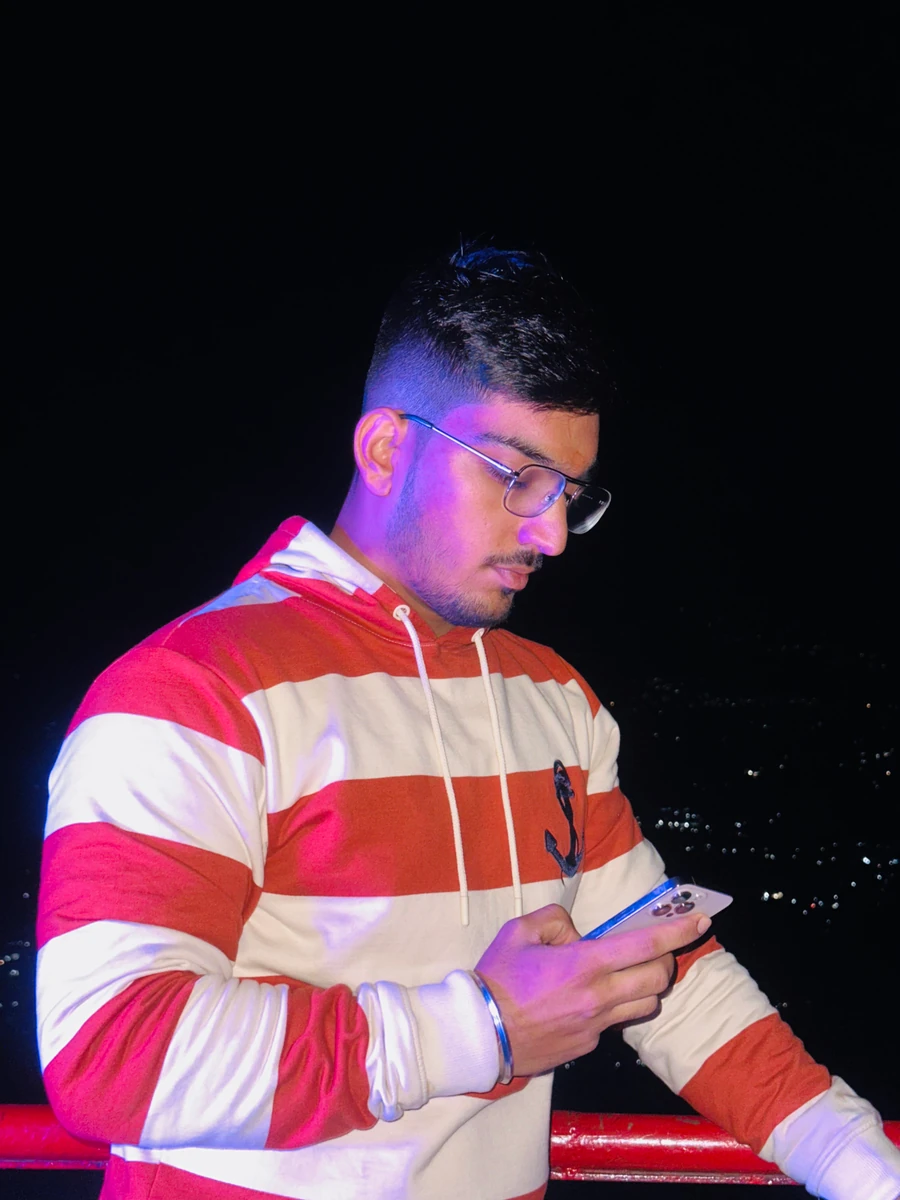
This mirrors an image — horizontally (left-right, like a reflection in a mirror) or vertically (top-bottom, upside-down reflection). It's used to flip a selfie so text reads the right way round, mirror a photo for a design or collage, correct an image that was scanned or captured reversed, or simply create a mirrored version for visual balance. Toggle the direction and download.
How it works
The image is redrawn onto a canvas with its axis flipped — horizontal flipping mirrors it left-to-right, vertical flipping mirrors it top-to-bottom, and you can apply both together for a 180° mirror. The flip is a pixel-exact reflection, so no quality is lost in the process. The result downloads as a PNG. Everything happens on your device.
Assumptions and behaviour
- Horizontal and vertical flips are independent and can be combined.
- Flipping is a lossless reflection — the same pixels, mirrored, at the same dimensions.
- The download is a PNG.
- A flip is different from a rotation: mirroring reverses the image, while rotating turns it — text becomes backwards when flipped, not when rotated.
Limitations
- Flipping reverses text and asymmetric details. Any writing, logos or handedness in the photo will appear mirror-reversed — that's the intended effect, but it means a flipped document image won't be readable normally.
- It mirrors the whole image; it can't flip just part of a picture.
- Output is PNG, so a flipped photo won't be as small as a JPG — convert or compress afterwards if file size matters.
- For turning rather than mirroring, use the Rotate tool.
Privacy
Flipping runs entirely in your browser with the Canvas API. Your image is never uploaded or stored.
 Get FreeMyTask as an app